Understanding AI Photo Generators
As technology continues to evolve, AI photo generators are becoming essential tools in various creative fields. These innovative platforms allow users to transform text prompts or existing images into stunning visual art, making it accessible for artists, marketers, and content creators alike. If you’re wondering how to use an AI photo generator, you're in the right place. This comprehensive guide covers everything from basic concepts to advanced techniques, ensuring you harness the full potential of these AI capabilities.
What is an AI Photo Generator?
An AI photo generator is a software application that uses artificial intelligence to create images based on user-defined inputs. These inputs can range from simple text descriptions to complex specifications involving style, colors, and composition. In essence, these tools leverage deep learning algorithms, particularly neural networks, to interpret the user's instructions and produce corresponding images.
How AI Photo Generators Work
AI photo generators operate primarily through generative adversarial networks (GANs) or diffusion models. In GANs, two neural networks—the generator and the discriminator—work in conjunction, with the generator creating images and the discriminator evaluating them. Over time, this collaborative process allows the generator to produce increasingly realistic images. On the other hand, diffusion models create images by gradually transforming random noise into a coherent image, guided by user inputs. Both methodologies exemplify how sophisticated AI can process data creatively.
Common Applications of AI Photo Generators
- Marketing Materials: Businesses use AI-generated images for promotional content, allowing for rapid prototyping of visual assets.
- Artistic Creation: Artists leverage these tools to explore new styles and concepts, pushing the boundaries of traditional art.
- Game Development: Game designers rapidly generate concept art and assets, enhancing the creative process.
- Social Media Content: Influencers and brands create unique visuals to engage audiences across various platforms.
Getting Started with AI Photo Generators
Embarking on your journey with AI photo generators requires understanding the platform's capabilities and features. The first step is to choose the right generator that fits your needs, considering factors like ease of use, image quality, and customization options.
Choosing the Right AI Photo Generator for Your Needs
With numerous AI photo generators available, selecting the best one for your projects can be overwhelming. Consider the following aspects:
- User Interface: Look for intuitive platforms that streamline the image creation process.
- Output Quality: Investigate the resolution and realism of images generated by different tools.
- Features: Some generators offer advanced customization options such as style transfer and detailed editing capabilities.
- Community and Support: Access to tutorials, forums, and user communities can significantly enhance your learning curve.
Setting Up Your Workspace for Optimal Creativity
Creating compelling images with AI photo generators can be greatly influenced by your workspace setup. Ensure you have:
- A Reliable Computer: High processing power and memory can expedite the image generation process.
- Stable Internet Connection: Many AI tools operate online, necessitating robust connectivity for seamless use.
- Creative Software: Integrate additional design software for post-editing, enhancing your final output.
Basic Techniques: How to Use an AI Photo Generator
Starting with an AI photo generator can be straightforward. Follow these steps:
- Sign Up/Log In: Create an account with your chosen platform to get started.
- Select a Template: Many generators provide templates or starting points to inspire your creativity.
- Enter a Prompt: Describe the image you want to create. Be as specific as possible to yield better results.
- Adjust Settings: Customize parameters such as style, color palettes, and dimensions.
- Generate Image: Click the generate button and wait as the AI produces your image.
- Download/Modify: Once satisfied, download your creation or further refine it using editing tools.
Advanced Techniques and Features
Customizing Outputs: Fine-tuning Your Image Settings
Advanced users can significantly enhance their creations by mastering the customization settings within the AI generator. Experiment with:
- Aspect Ratios: Tailor images for specific platforms or purposes, such as social media banners or prints.
- Detail Level: Adjust settings that emphasize various aspects of the image, like sharpness or texture.
- Style Variability: Explore multiple artistic styles, from realism to abstract, to diversify your portfolio.
Integrating AI Photo Generation into Your Workflow
To maximize productivity, consider integrating AI photo generation into your existing creative workflow. This may involve:
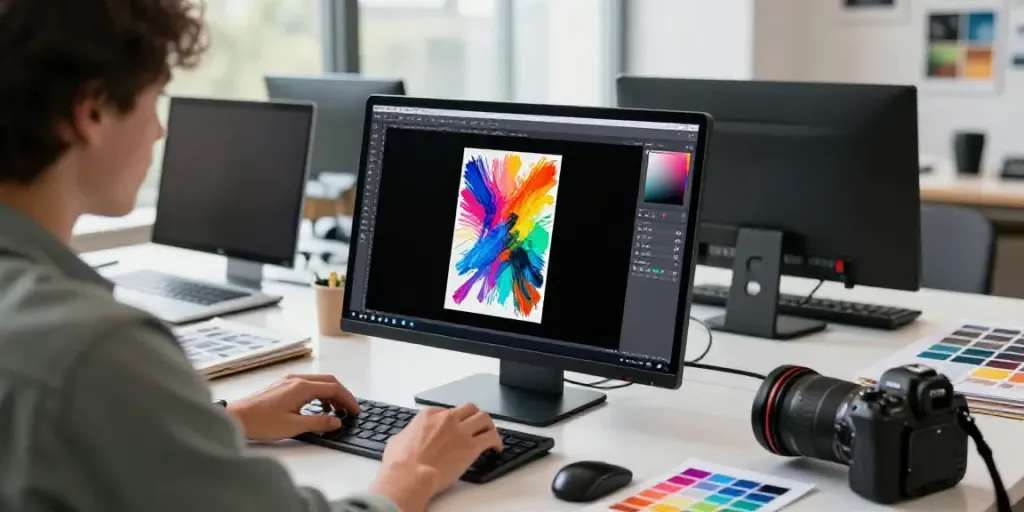
- Collaboration with Other Creative Tools: Use AI images in conjunction with graphic design software like Adobe Photoshop or Illustrator.
- Streamlining Feedback Cycles: Quickly generate variations of designs based on client feedback.
- Automating Repetitive Tasks: Automate the generation of specific types of images through preset templates or scripts.
Combining AI Tools for Enhanced Creativity
AI photo generators flourish when used alongside other AI tools such as:
- Text Generators: Use AI text models to script compelling narratives or captions that complement your images.
- Data Analysis Tools: Analyze trends in social media engagement to guide your image generation choices.
- Sound Design Software: Pair visuals with AI-generated music or sound effects for multimedia projects.
Common Challenges and Solutions
Understanding Limitations of AI Photo Generators
While powerful, AI photo generators have limitations. Understanding these can help you manage expectations:
- Quality Variability: Output quality may vary based on the complexity of the prompt.
- Bias in AI Models: AI can reflect biases present in training data, affecting image representation.
- Creativity Constraints: AI-generated images might lack the nuance and emotional depth of human-created art.
Overcoming Creative Blocks with AI
AI photo generators can serve as excellent tools for overcoming creative blocks. Here’s how:
- Prompt Experimentation: Alter prompts and generate multiple images to find inspiration.
- Reimagining Existing Concepts: Use AI to create alternative takes on your previous work or themes.
- Collaborative Creation: Team up with AI to brainstorm and develop new ideas.
Addressing Quality Issues in Generated Images
Sometimes, AI-generated images might not meet expectations. To enhance quality:
- Post-Processing: Use editing tools to touch up or refine images after generation.
- Feedback Loop: Iteratively adjust your text prompts based on the AI’s output.
- Utilizing Higher-Quality Models: Some platforms offer advanced models that produce superior output; consider investing in these options.
The Future of AI Photo Generation
Trends and Innovations to Look for in 2026
As AI photo generation technology evolves, expect to see:
- Increased Customization: Tools that allow for more nuanced and detailed user control over image generation.
- Integration with Virtual Reality: The ability to create immersive environments or scenes dynamically.
- Enhanced Realism: Ongoing improvements in AI algorithms will produce images that are more lifelike than ever.
Impact of AI on Creative Industries
The rise of AI photo generation will undoubtedly transform creative industries. Artists, marketers, and designers will find new ways to work collaboratively with AI, redefining the creative process and expanding the boundaries of art.
How to Stay Ahead in the Evolving AI Landscape
To remain competitive, professionals should:
- Engage in Continuous Learning: Stay updated with the latest trends and tools in AI technology.
- Experiment and Innovate: Regularly explore new AI-generated techniques and styles to keep your work fresh.
- Build a Community: Connect with other creatives to share insights and foster collaborative projects.
How do I generate my photo with AI?
To generate a photo with AI, simply choose a generator, input your descriptive prompt, and wait for the AI to create your image. The process varies slightly depending on the tool, so make sure to explore tutorials specific to your chosen platform.
How to use AI on a photo for free?
Many AI tools are available for free, enabling users to enhance or edit existing photos. Look for platforms that offer free image editing features alongside photo generation.
What app to use for AI picture generator?
Numerous apps are available like Canva’s AI Image Generator, Adobe Firefly, and Pixlr, each offering unique features and interfaces to facilitate your image creation process.
Can AI help enhance existing photos?
Absolutely, AI can be used to enhance existing photos. With the right tools, you can improve resolution, colors, and even apply artistic filters to transform your images dramatically.
What are the best practices for creating images with AI?
When creating images with AI, be precise with your prompts, experiment with different settings, and don’t hesitate to iterate on your designs until you achieve the desired outcome.