Understanding Astaxanthin and Its Importance
Astaxanthin has gained significant attention in recent years due to its powerful health benefits and natural origins. As a carotenoid, it is known for its vibrant reddish-orange pigment, which is crucial not only for various organisms in nature but also for the subsequent health benefits it provides to humans. This article explores what is astaxanthin made from, along with the sources, extraction methods, health benefits, and general knowledge surrounding this remarkable compound.
What is Astaxanthin Made From?
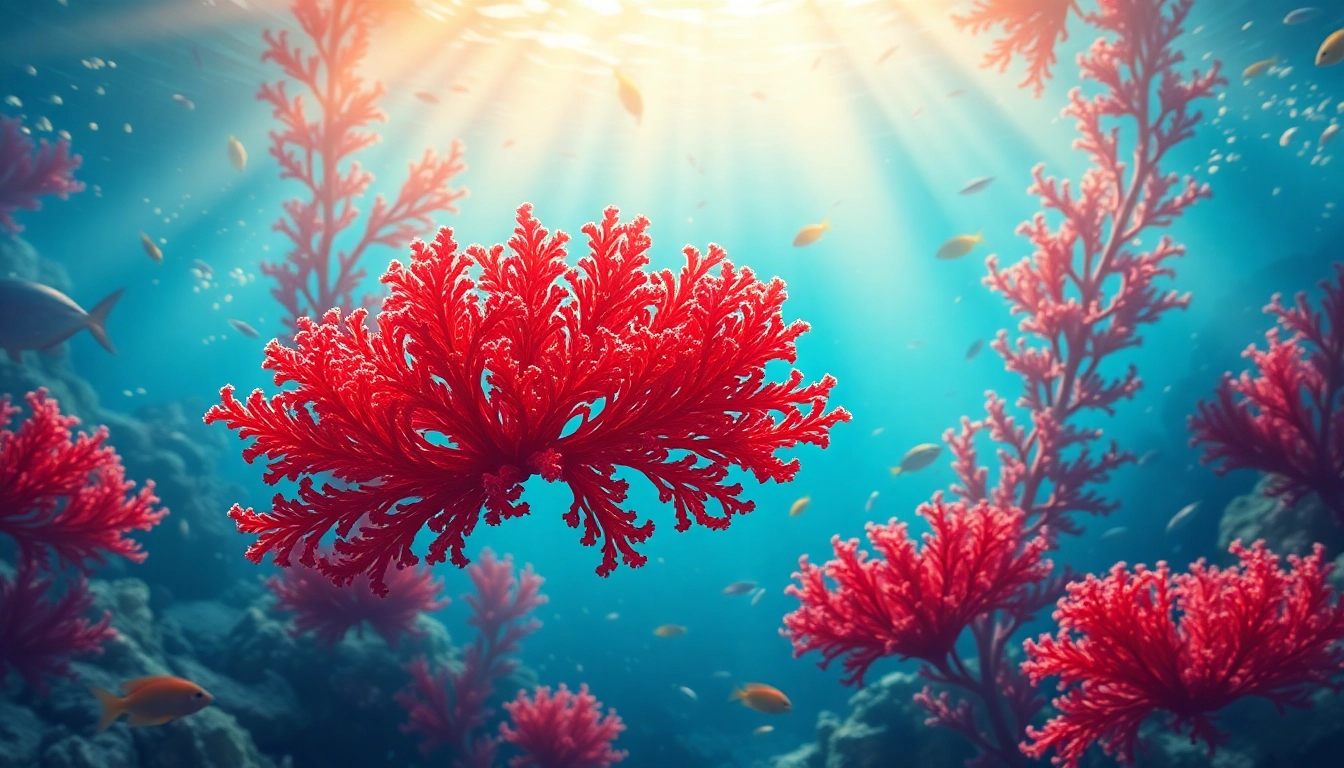
Astaxanthin is primarily derived from microalgae, particularly the species Haematococcus pluvialis, which is recognized as the richest source of this powerful antioxidant. This microalgae not only provides astaxanthin but also plays a crucial role in the ecosystem by serving as a dietary source for various aquatic animals. Additionally, astaxanthin is present in certain crustaceans, such as shrimp and lobster, and some species of yeast. This natural pigment is synthesized by these organisms as a protective mechanism against oxidative stress and UV light, contributing to their survival in harsh conditions.
The Role of Algae and Plants in Production
The contribution of algae to astaxanthin production cannot be overstated. Microalgae convert sunlight into energy through photosynthesis, a process that allows them to produce astaxanthin as a secondary metabolite. This synthesis typically occurs under stress conditions, such as excessive UV exposure or nutrient deficiency, prompting the algae to produce protective compounds like astaxanthin. Besides microalgae, certain terrestrial plants also synthesize carotenoids that can convert into astaxanthin in the presence of specific enzymes, although these sources are significantly less common.
Astaxanthin in Nature and Its Benefits
In nature, astaxanthin serves various biological functions, primarily related to protection. For aquatic life, it offers a shield against harmful effects from UV radiation and oxidative damage. In wild salmon, for instance, astaxanthin is what gives their flesh its characteristic color and enhances their ability to withstand stressful environments. This powerful antioxidant not only benefits marine life but also holds immense potential for human health, offering a wide array of benefits discussed further in this article.
Key Sources of Astaxanthin
Microalgae as the Primary Source
Microalgae, particularly Haematococcus pluvialis, are recognized as the principal source of astaxanthin, accounting for a significant portion of its commercial production. The cultivation of this microalgae has been optimized in recent years, enabling increased yield and concentration of astaxanthin per cell. It is often cultivated in controlled environments such as photobioreactors or open ponds, facilitating two essential factors: optimal light exposure and controlled nutrient availability.
Additional Natural Sources
Besides microalgae, astaxanthin can be found in several other natural sources, albeit in smaller quantities. Notable mentions include crustaceans such as shrimp, crabs, and lobsters, where the pigment contributes to their unique coloration. Additionally, some fish, particularly wild-caught salmon and trout, are rich in astaxanthin, further emphasizing its importance in the food chain.
Comparative Analysis of Sources
While microalgae remain the most potent and concentrated source of astaxanthin, understanding the differences between various sources is vital for consumers and manufacturers alike. For instance, while fish and crustaceans might provide a direct dietary source of astaxanthin, the concentrations are significantly lower compared to what can be obtained through microalgae supplementation. Furthermore, extraction from algae allows for a higher purity of astaxanthin without additional fats or proteins that come from animal sources, making it a preferable option for many health-conscious consumers.
Extraction Methods of Astaxanthin
Solvent Extraction Techniques
Solvent extraction is one of the traditional methods employed for isolating astaxanthin from its sources. This technique involves using organic solvents like ethanol or hexane to dissolve the astaxanthin, which is then separated from the remaining biomass. While this method can yield astaxanthin effectively, concerns surrounding the presence of residual solvents in the final product have prompted manufacturers to consider greener alternatives.
Supercritical Fluid Extraction
A more advanced method, supercritical fluid extraction (SFE), utilizes supercritical CO2 to extract astaxanthin. This technology has gained popularity due to its efficiency and environmental advantages. The CO2 acts as a solvent but without the need for harmful organic solvents. Additionally, SFE allows for the extraction under controlled temperatures and pressures, preserving the integrity and potency of astaxanthin and reducing degradation risks.
Comparative Efficiency of Methods
When comparing the efficiency of these extraction methods, supercritical fluid extraction typically outperforms traditional solvent extraction in both yield and purity. While solvent extraction remains a cost-effective option for many producers, supercritical extraction’s ability to produce higher-quality and residual-free astaxanthin makes it a preferred choice in high-value applications. Thus, businesses aiming for premium supplements often lean towards supercritical methods despite the higher initial investment in technology.
Health Benefits of Astaxanthin
Antioxidant Properties
Astaxanthin is renowned for its potent antioxidant properties, often classified as one of the most powerful carotenoids available. Antioxidants play a crucial role in neutralizing free radicals in the body, reducing oxidative stress that can lead to chronic diseases. Research suggests that astaxanthin is up to 6000 times more effective than Vitamin C at combating free radicals, making it an essential addition to any wellness regimen.
Impact on Human Health
The health benefits of astaxanthin extend beyond its antioxidant capacity. Studies indicate that it can enhance skin health by improving moisture levels, reducing the appearance of fine lines, and increasing skin elasticity. Users of astaxanthin have reported improvements in exercise performance as well, as the compound helps to reduce muscle soreness and fatigue through its anti-inflammatory effects. Additionally, astaxanthin has been researched for its potential cardiovascular benefits, suggesting that it may help maintain healthy blood flow and support lipid health.
Popular Uses in Supplements
As a result of its myriad health benefits, astaxanthin has found its way into various supplements, often marketed for skin health, athletic performance, and overall wellness. Its natural origins appeal to consumers looking for plant-based solutions, and with ongoing research highlighting its effectiveness, astaxanthin has become a valuable compound in the supplement industry. Found in capsules and powders, it’s commonly combined with other antioxidants and nutrients to enhance overall efficacy.
Frequently Asked Questions
What is astaxanthin made from?
Astaxanthin is primarily made from microalgae, particularly Haematococcus pluvialis, alongside certain crustaceans and yeast.
Is astaxanthin safe to consume?
Yes, astaxanthin is generally recognized as safe for consumption, with several studies supporting its health benefits.
How is astaxanthin extracted?
Astaxanthin is extracted using methods like solvent extraction or supercritical fluid extraction, preserving its potency and effectiveness.
What foods contain astaxanthin?
Astaxanthin is found in foods like salmon, shrimp, and algae, contributing to their reddish-orange color and nutritional value.
What are the potential health benefits of astaxanthin?
Astaxanthin may offer antioxidant support, improve skin health, enhance exercise performance, and promote cardiovascular health.