Introduction to Astaxanthin
What is Astaxanthin?
Astaxanthin is a naturally occurring carotenoid pigment, renowned for its vibrant red and pink hues, which are primarily derived from sunlight exposure. It belongs to a group of compounds known as xanthophylls and is present in various organisms. Unlike other carotenoids, astaxanthin is unique due to its potent antioxidant properties, making it a subject of interest in both nutrition and health fields. This compound has been gaining popularity in recent years, often touted for its various health benefits, making it a valuable addition to dietary supplements and wellness products. If you’re curious about what is astaxanthin made from, delving into its sources and benefits can significantly enhance your knowledge.
The Importance of Astaxanthin in Nutrition
Astaxanthin plays a crucial role in the nutrition of several organisms, particularly in the aquatic food chain. It serves as a protective mechanism against oxidative damage caused by free radicals. For humans, this compound is appreciated not only for its antioxidant properties but also for its contributions to skin health, eye function, and overall well-being. As a dietary supplement, astaxanthin can improve energy levels, enhance stamina during exercise, and support a healthy immune system, making it a valuable nutrient in daily dietary practices.
Common Sources of Astaxanthin
Several natural sources of astaxanthin exist, including microalgae, certain types of seafood, and some crops. Microalgae, particularly Haematococcus pluvialis, are the most prolific source, yielding high concentrations of astaxanthin that are utilized in supplements. Other sources include wild salmon, crustaceans, and even flamingos, which derive their pink color from their astaxanthin-rich diet.
What is Astaxanthin Made From?
Microalgae as the Primary Source
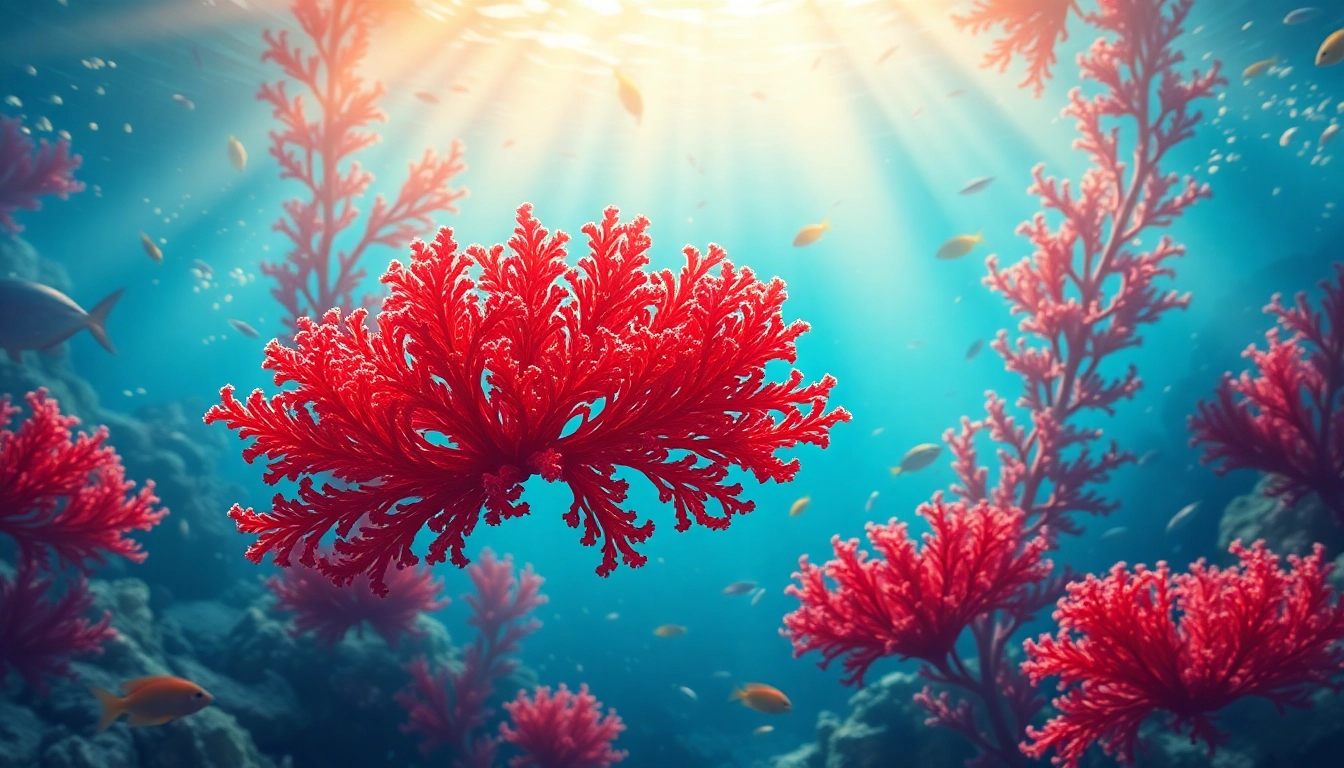
The primary source of astaxanthin is microalgae, specifically species such as Haematococcus pluvialis and Chlorella. They are known to synthesize astaxanthin in response to environmental stresses like UV radiation, nutrient deprivation, and high salinity. This unique ability allows them to produce high concentrations of astaxanthin, providing robust protection against harsh conditions. The process of extracting astaxanthin from these microalgae involves several steps, including cultivation, harvesting, and processing, ensuring the retention of its beneficial properties for use in supplements.
Astaxanthin in Seafood: A Natural Ingredient
Astaxanthin is not only a product of microalgae but also accumulates in the tissues of various marine animals, primarily those with a diet rich in these algae. Seafood such as wild salmon, shrimp, and crab acquire astaxanthin from feeding on these microalgae. In these organisms, astaxanthin not only contributes to their coloration but also plays an essential role in their immune responses and overall health. For consumers, astaxanthin-rich seafood offers an enjoyable and nutritious way to integrate this powerful antioxidant into their diet.
Comparing Synthetic and Natural Astaxanthin
While astaxanthin can be produced synthetically, natural sources are often preferred for their bioavailability and efficacy. Synthetic astaxanthin is manufactured through chemical processes, which may result in less effective antioxidants compared to their natural counterparts. Natural astaxanthin, derived from microalgae or seafood, tends to be more easily absorbed by the body and is associated with fewer side effects. When selecting astaxanthin supplements, consumers should consider the source and method of extraction to ensure they are obtaining the highest quality product.
Health Benefits of Astaxanthin
Antioxidant Properties
Astaxanthin is recognized as one of the most powerful antioxidants available, with a molecular structure that enables it to neutralize free radicals effectively. This capability helps in reducing oxidative stress, a condition linked to various chronic diseases. Research has shown that astaxanthin can outperform other antioxidants, such as vitamin C and vitamin E, contributing to enhanced health and disease prevention. By combating free radicals, astaxanthin can help maintain cellular integrity and functionality.
Impact on Skin Health
As part of skincare regimens, astaxanthin has been found to improve skin health by enhancing hydration, elasticity, and overall appearance. Studies suggest that astaxanthin can reduce signs of aging, decrease the appearance of fine lines, and protect the skin from UV damage. Notably, its anti-inflammatory properties further contribute to calming skin irritations, making it a popular ingredient in many cosmetic formulations. Regular intake of astaxanthin through supplements or topical applications can yield significant benefits for skin vitality.
Benefits for Eye Health
Astaxanthin supports eye health by protecting the eyes from oxidative stress, a leading cause of age-related macular degeneration (AMD) and other visual impairments. Its ability to permeate ocular tissues contributes to improved eye function and may reduce the risk of developing severe eye conditions. Some studies indicate that astaxanthin can enhance visual acuity and improve contrast sensitivity, making it a crucial nutrient for maintaining optimum eye health.
How to Incorporate Astaxanthin into Your Diet
Food Sources of Astaxanthin
Incorporating astaxanthin into your diet can be fun and delicious, primarily through seafood offerings. Consuming items such as wild-caught salmon, shrimp, and trout not only provides astaxanthin but also offers various other nutrients essential for overall health. Additionally, certain algae-based products and supplements available in health food stores can boost astaxanthin intake without altering regular dietary habits.
Supplementation Options
Astaxanthin is widely available as a dietary supplement, often in capsule or softgel forms. When choosing a supplement, it’s essential to opt for products sourced from reputable companies that utilize high-quality natural sources. These supplements can enhance dietary intake, especially for those who may not consume adequate amounts of astaxanthin-rich foods. Different formulations may have varying concentrations; therefore, research and consultation with a healthcare professional can be beneficial before beginning supplementation.
Recommended Dosage Guidelines
The recommended dosage of astaxanthin can vary depending on the purpose of supplementation and individual health goals. Generally, doses between 4 mg to 12 mg per day are considered safe and effective for most people. For specific health conditions, higher doses may be recommended; consulting with a healthcare provider is crucial to ensuring safe and effective use. Monitoring any adverse effects and adjusting dosage as necessary can optimize the benefits of astaxanthin supplementation.
FAQs About Astaxanthin
What is Astaxanthin made from?
Astaxanthin is primarily made from microalgae, notably Haematococcus pluvialis, and accumulates in seafood such as salmon and shrimp.
Is Astaxanthin safe for consumption?
Yes, astaxanthin is generally considered safe for consumption. However, it’s advisable to consult a healthcare provider before starting supplementation.
Can astaxanthin help with skin aging?
Astaxanthin may reduce signs of skin aging by improving hydration, elasticity, and overall skin health, and protecting against UV damage.
How much astaxanthin should I take?
Recommended daily doses typically range from 4 mg to 12 mg, depending on health goals, but consulting a healthcare professional is wise.
Are there side effects of astaxanthin?
Astaxanthin is generally well-tolerated, although some individuals may experience mild digestion issues or allergic reactions. Monitoring intake is advisable.